
Key Stage 4 - Cambridge IGCSE at Oxford Manor College
Years 10–11 · Cambridge IGCSE

Upper Secondary (Years 10-11) - Cambridge IGCSE

Upper Secondary (Years 10-11) focuses on Cambridge IGCSE qualifications, providing internationally recognized qualifications that prepare students for A-Levels and university. Students study a combination of core and optional subjects, with external examinations in Year 11.

IGCSE subjects at a glance

Mathematics
First Language English
Science
Information and Communication Technology (ICT)
History
Geography
Sociology
Environmental Management
Global Perspectives
French
Mandarin Chinese
Literature
Music
Art and Design
Physical Education (PE)
Mathematics
First Language English
Science
Information and Communication Technology (ICT)
History
Geography
Sociology
Environmental Management
Global Perspectives
French
Mandarin Chinese
Literature
Music
Art and Design
Physical Education (PE)

Age range: Years 14-16

Upper Secondary leads to Cambridge IGCSE qualifications, recognised worldwide for progression to A-Level, IB, and university.

IGCSE learning

Core subjects (compulsory)

Mathematics

Mathematics

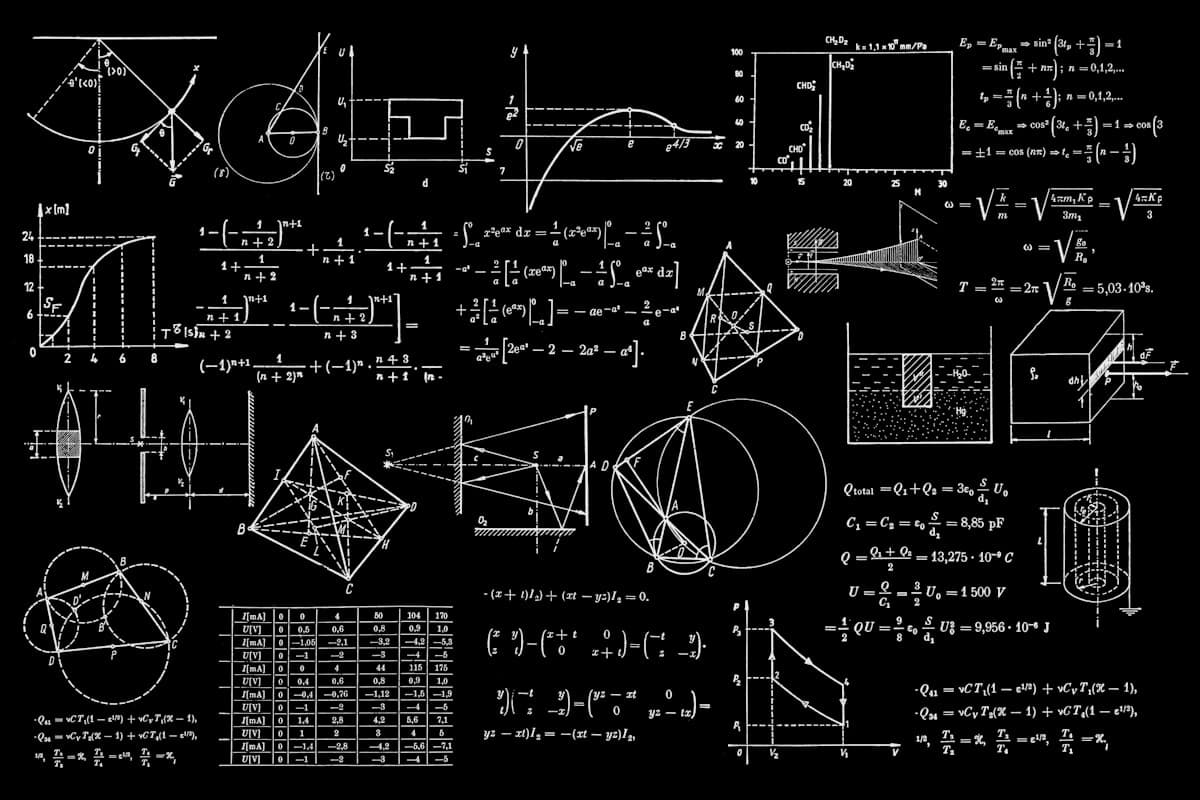
IGCSE Mathematics extends Lower Secondary work to include advanced algebra, coordinate geometry, trigonometry, and calculus (where applicable). Students develop fluency in calculation, reasoning, and applying mathematics to real-world problems. The course prepares learners for A-Level Mathematics and numerate degree courses.

Student learning

  • Algebra, graphs, and functions
  • Geometry and trigonometry
  • Statistics and probability
  • Problem-solving and modelling
  • Use of calculators and mathematical tools
  • Preparing for external examination papers

First Language English

First Language English

The IGCSE First Language English course demands accurate reading comprehension, analysis of writers' effects, and confident writing in a range of forms. Students respond to unseen texts and produce directed writing, composition, and coursework where applicable. The qualification is widely recognised by universities and employers.

Student learning

  • Reading and analysing unseen texts
  • Directed writing and composition
  • Summary and note-taking
  • Speaking and listening (where applicable)
  • Grammar, style, and vocabulary for effect
  • Exam technique and timed responses
Science

Science

Students may follow Co-ordinated Sciences (double award) or separate Biology, Chemistry, and Physics. Practical work is assessed, and learners develop strong conceptual understanding and the ability to apply knowledge to new contexts. The course prepares for A-Level sciences and STEM careers.

Student learning

  • Core concepts in Biology, Chemistry, and Physics
  • Practical skills and laboratory techniques
  • Data analysis and evaluation of experiments
  • Application of knowledge to unfamiliar contexts
  • Scientific communication and extended writing
  • Preparation for practical and written examinations

Optional subjects

Information and Communication Technology (ICT)

Information and Communication Technology (ICT)

IGCSE ICT builds on Lower Secondary work with deeper coverage of hardware, software, networks, and the impact of technology on society. Students complete practical tasks and theory units, developing skills that support all subjects and future study or employment.

Student learning

  • Hardware, software, and networks
  • Document production and data manipulation
  • Presentations and multimedia
  • Impact of ICT on society and individuals
  • Practical project work and problem-solving
  • Preparing for theory and practical examinations
History

History

IGCSE History focuses on selected depth and breadth studies, developing source skills and essay writing. Students explore key themes such as conflict, cooperation, and change, and learn to construct sustained, analytical arguments supported by evidence.

Student learning

  • Depth studies of specific periods and events
  • Breadth studies across time and place
  • Source evaluation and historical interpretation
  • Essay writing and argument construction
  • Understanding historiography and bias
  • Revision and exam technique
Geography

Geography

IGCSE Geography covers themes in physical geography (rivers, coasts, weather, ecosystems), human geography (population, settlement, development), and practical skills. Fieldwork and map work are integral. The course encourages awareness of global issues and sustainable development.

Student learning

  • Physical and human geography themes
  • Geographical skills and map work
  • Fieldwork and data collection
  • Environmental management and sustainability
  • Global issues and case studies
  • Extended writing and structured questions
Sociology

Sociology

Sociology introduces students to the study of society, including family, education, crime, and social stratification. Learners develop the ability to use sociological concepts and research methods to analyse social phenomena and debate contemporary issues.

Student learning

  • Sociological concepts and theories
  • Research methods in sociology
  • Family, education, and crime
  • Social stratification and inequality
  • Evaluating evidence and studies
  • Applying sociology to contemporary issues
Environmental Management

Environmental Management

Environmental Management brings together science, geography, and citizenship to address issues such as resource use, pollution, and conservation. Students learn about sustainable development and the role of policy, technology, and individual action in protecting the environment.

Student learning

  • Ecosystems and biodiversity
  • Resource management and sustainability
  • Pollution and environmental health
  • Global environmental issues
  • Policies and management strategies
  • Practical and fieldwork components
Global Perspectives

Global Perspectives

Global Perspectives is a cross-curricular course that develops research, critical thinking, and collaboration. Students investigate global topics, consider different viewpoints, and present their findings. The course supports skills valued by universities and employers worldwide.

Student learning

  • Research and enquiry skills
  • Critical analysis of global issues
  • Evaluating perspectives and bias
  • Collaborative project work
  • Presentation and communication
  • Reflection and self-evaluation
French

French

IGCSE French (or Foreign Language) develops fluency in listening, speaking, reading, and writing. Topics include identity, local area, travel, and global issues. Students communicate with increasing accuracy and explore the culture of French-speaking countries.

Student learning

  • Listening and responding to authentic materials
  • Conversation and role-play
  • Reading and understanding extended texts
  • Writing for different purposes and registers
  • Grammar and vocabulary at IGCSE level
  • Cultural topics and French-speaking world
Mandarin Chinese

Mandarin Chinese

IGCSE Mandarin develops competence in listening, speaking, reading, and writing. Students expand their character knowledge and engage with topics such as daily life, education, and the wider world. The qualification supports further study and use of Mandarin in academic or professional contexts.

Student learning

  • Extended listening and speaking
  • Reading and writing characters and texts
  • Grammar and vocabulary at IGCSE level
  • Translation and mediation skills
  • Cultural and contemporary topics
  • Exam preparation for all papers
Literature

Literature

Literature in English introduces students to poetry, prose, and drama from different periods and cultures. Learners develop close reading skills, analyse writers' use of language and form, and write critical essays. The course fosters a lifelong enjoyment of reading and critical thinking.

Student learning

  • Reading and analysing poetry, prose, and drama
  • Understanding genre, form, and structure
  • Writers' use of language and effect
  • Context and interpretation
  • Essay writing and critical argument
  • Unseen and set text preparation
Music

Music

IGCSE Music combines performing (solo and ensemble), composing, and listening. Students study set works and broader repertoire, developing aural skills and understanding of musical elements. The course supports progression to A-Level Music and music technology.

Student learning

  • Solo and ensemble performance
  • Composition to a brief
  • Listening and appraising set works
  • Musical elements and notation
  • History and context of music
  • Preparation for practical and listening exams
Art and Design

Art and Design

IGCSE Art and Design allows students to specialise in areas such as fine art, graphic communication, or photography. They build a portfolio of coursework and complete a timed test. The course develops creativity, technical skill, and the ability to realise ideas.

Student learning

  • Portfolio development and coursework
  • Drawing, painting, and chosen media
  • Research and contextual studies
  • Idea development and experimentation
  • Timed test and final piece
  • Presentation and evaluation of work
Physical Education (PE)

Physical Education (PE)

IGCSE PE combines practical performance in selected activities with theory on anatomy, physiology, training, and socio-cultural aspects of sport. Students develop their skills and understand the science and psychology behind physical activity and health.

Student learning

  • Practical performance in chosen activities
  • Anatomy and physiology
  • Training principles and fitness
  • Psychology of sport and performance
  • Socio-cultural influences on sport
  • Preparation for practical and written exams
Key Stage 4 highlights

Internationally recognised qualifications · 95% A*–C grades

Key highlights

  • Cambridge IGCSE qualifications recognized worldwide
  • External examinations in Year 11
  • Student-centred and inquiry-based teaching
  • Emphasis on critical thinking and problem-solving
  • Practical, experimental, and project-based learning
  • Regular academic feedback to parents and students
  • Strong track record: 95% A*-C grades
  • A-Level progression pathway